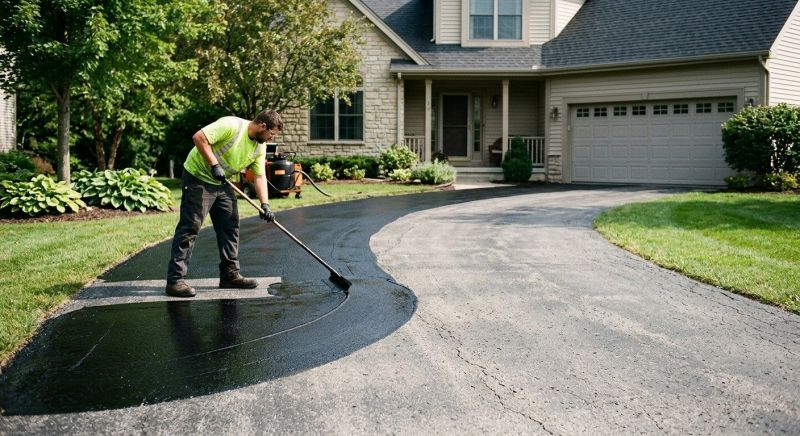
Driveway Sealcoating in San Antonio, TX
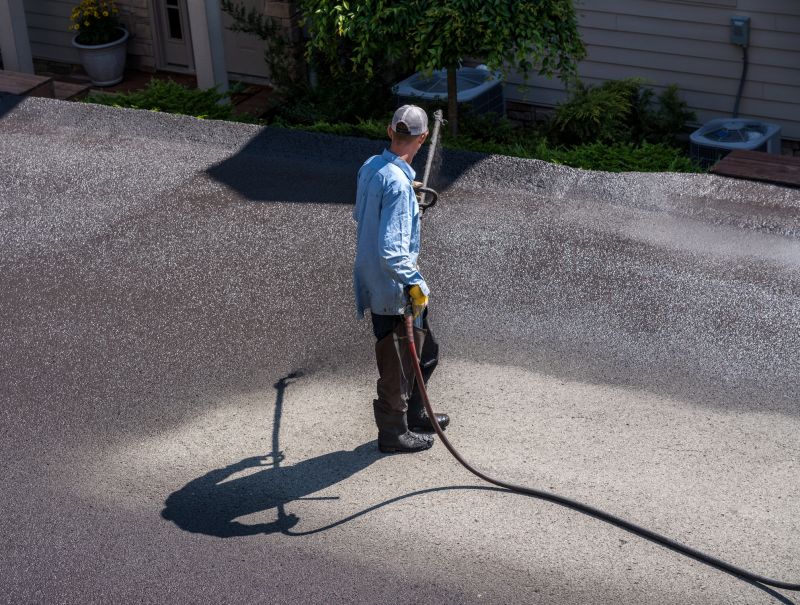
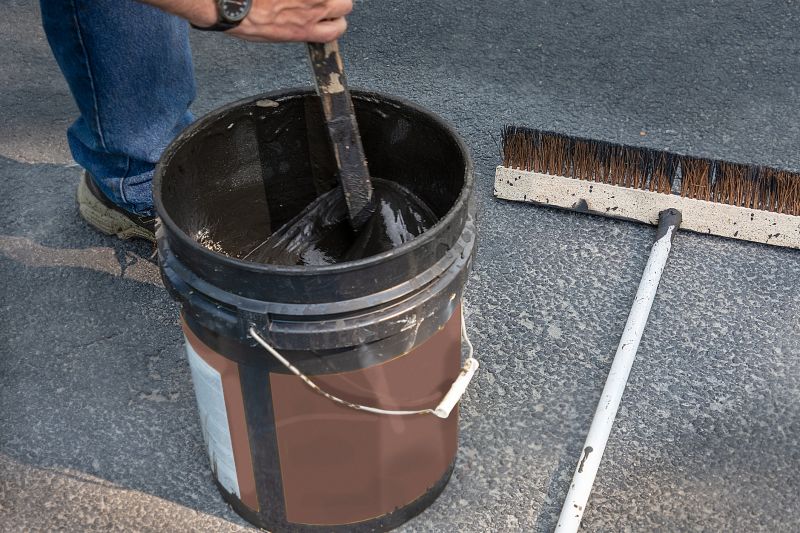
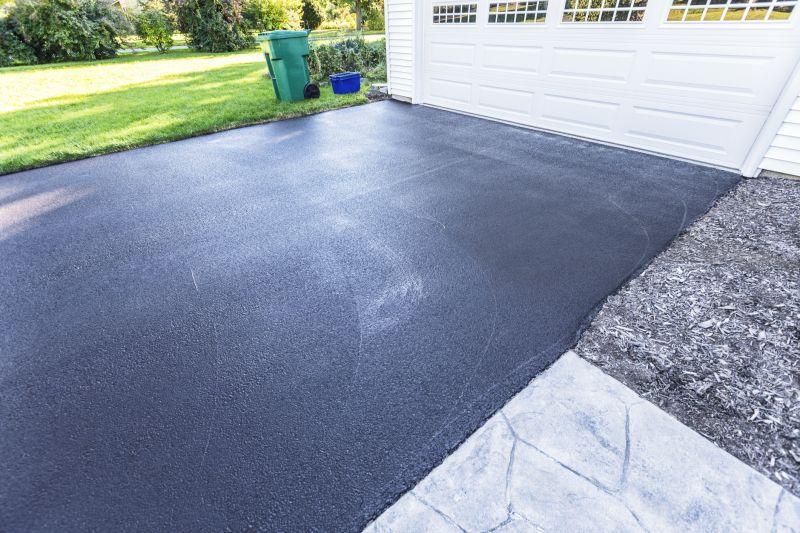
Driveway sealcoating is a protective treatment applied to asphalt surfaces to help extend their lifespan and maintain their appearance. This service involves evenly spreading a thin layer of sealant over the driveway to guard against damage caused by water, UV rays, and everyday wear and tear. Sealcoating is suitable for various projects, including residential driveways, parking areas, and walkways, helping property owners preserve the integrity of their surfaces and improve curb appeal.
Homeowners considering sealcoating often want to understand how the process can protect their investment and what preparations are needed before application. It’s important to know that the surface should be clean and free of debris, oil, or existing cracks for optimal results. Property owners typically ask about the best timing for sealcoating, how often it should be reapplied, and what to expect during the process to ensure the driveway remains functional and visually appealing for years to come.
Many property owners in San Antonio, TX look into Driveway Sealcoating for repairs, replacements, upgrades, and appearance-related improvements.
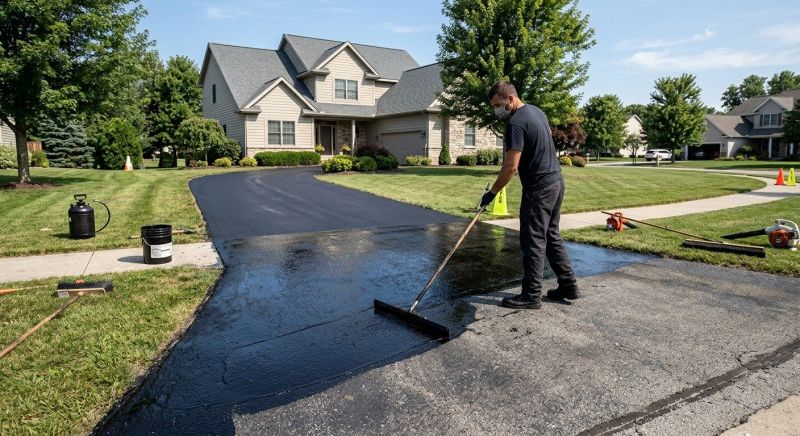
Benefits Of Sealcoating
Sealcoating helps protect driveways from cracks, stains, and weather damage in san antonio's climate.
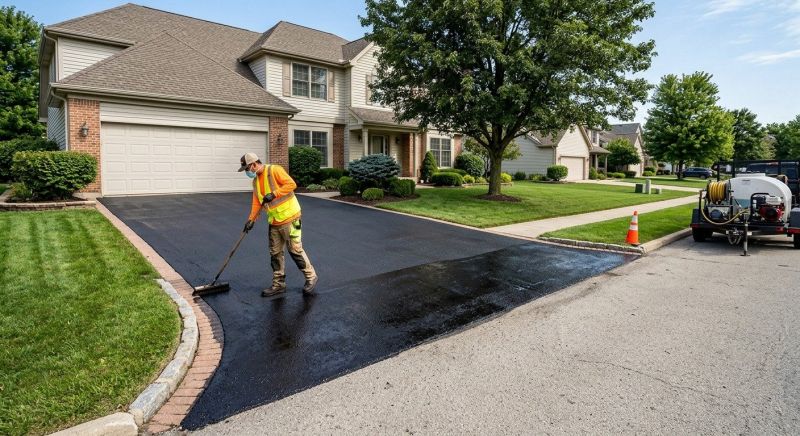
Ideal For Residential Driveways
Many homeowners in san antonio choose sealcoating to extend the life and appearance of their driveway surfaces.
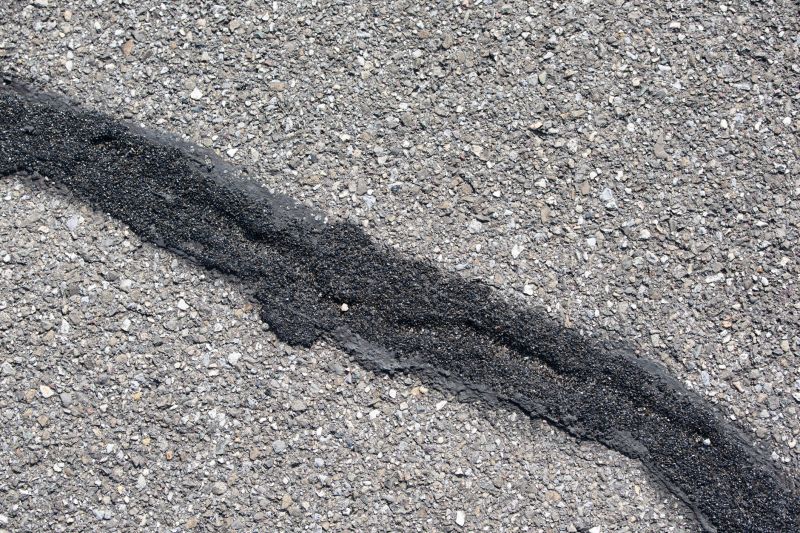
Maintenance And Preservation
Regular sealcoating can keep driveways looking new and prevent costly repairs over time.
Driveway Sealcoating in San Antonio, TX

Driveway sealcoating is a protective treatment applied to asphalt surfaces to help extend their lifespan and maintain their appearance. This service involves evenly spreading a thin layer of sealant over the driveway to guard against damage caused by water, UV rays, and everyday wear and tear. Sealcoating is suitable for various projects, including residential driveways, parking areas, and walkways, helping property owners preserve the integrity of their surfaces and improve curb appeal.
Homeowners considering sealcoating often want to understand how the process can protect their investment and what preparations are needed before application. It’s important to know that the surface should be clean and free of debris, oil, or existing cracks for optimal results. Property owners typically ask about the best timing for sealcoating, how often it should be reapplied, and what to expect during the process to ensure the driveway remains functional and visually appealing for years to come.
Many property owners in San Antonio, TX look into Driveway Sealcoating for repairs, replacements, upgrades, and appearance-related improvements.
Common Driveway Sealcoating Jobs
Driveway Sealcoating - Protects asphalt surfaces from weather damage and wear.
Residential Driveways - Restores the appearance and extends the lifespan of home driveways.
Commercial Parking Lots - Maintains a safe, professional look for business parking areas.
Crack Filling - Seals small cracks to prevent water infiltration and further damage.
Re-sealing Projects - Refreshes existing sealcoat for improved durability and appearance.
New Asphalt Surfaces - Provides a protective layer immediately after paving for long-term performance.
Driveway Sealcoating Questions
What is driveway sealcoating? Driveway sealcoating is a protective layer applied to asphalt surfaces to prevent damage from weather, oil, and traffic.
Why should property owners consider sealcoating? Sealcoating helps extend the lifespan of a driveway by shielding it from cracks, oxidation, and deterioration.
How often should a driveway be sealcoated? Typically, sealcoating is recommended every 2 to 3 years to maintain optimal protection and appearance.
What types of driveways are suitable for sealcoating? Asphalt driveways of various ages and conditions can benefit from sealcoating, especially those showing signs of wear or cracking.
Request Driveway Sealcoating in San Antonio, TX
Use the quote form on this page to share the basics of your project and request more information for the type of work you need.